
Workplace & Corporate On-site Skin Cancer Checks
Employees Health provides onsite skin cancer checks for workplaces across Australia. Our qualified medical practitioners conduct workplace skin screenings using dermatoscopy to identify suspicious lesions, moles, and skin changes that may require further medical assessment. The service is designed for employers seeking convenient workplace health initiatives for outdoor workers and employees exposed to significant ultraviolet (UV) radiation.
At Employees Health SkinSafe Program we prioritise the health and well-being of your employees. Skin cancer is a prevalent concern and early detection plays a crucial role in effective management.
We are pleased to offer our comprehensive Corporate Skin Cancer Check program, which provides on-site medical examinations by experienced medical practitioners. Our goal is to identify any potential skin cancer risks, provide relevant advice, and offer a referral process to employees’ own GPs for further management if required. Additionally, our skin cancer centre is equipped to provide treatments for any diagnosed cases.
Workplace skin cancer checks can be arranged for organisations whose employees may experience significant occupational exposure to ultraviolet (UV) radiation, particularly outdoor and field-based workforces.
Industries may include:
Employees attend a scheduled appointment onsite with a qualified clinician. During the assessment, the clinician performs a visual examination of the skin, focusing on areas that may be exposed to ultraviolet (UV) radiation and identifying any lesions, moles or skin changes that may require further investigation.
Appointments are designed to be efficient and workplace-friendly while maintaining privacy and clinical standards. The process typically includes:
Skin checks do not replace specialist diagnosis or treatment. Where further assessment is recommended, employees are advised to consult their GP, dermatologist or appropriate medical specialist.
Following their skin check, employees receive:
Individual medical information remains confidential and is not disclosed to employers.
No individual medical results are provided to employers without employee consent.




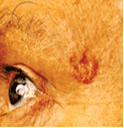
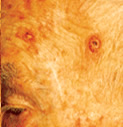
Cancer can develop in the cells of the skin. Skin cancers are named after the type of cell they start from. Basal cell cancer and squamous cell cancer are the two most common types of skin cancer. They are sometimes called non-melanoma skin cancer because they don’t develop from melanocytic cells. The third type of skin cancer is melanoma, which begins in the melanocytes. Other spots that aren’t skin cancer can also appear.
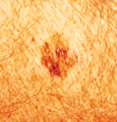
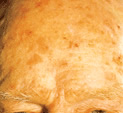

Skin Health and Its Impact on Employees:
Skin health is an important part of employee wellbeing, particularly for workers who spend significant time outdoors or have regular exposure to ultraviolet (UV) radiation. Workplace skin checks can help identify visible skin changes that may require further assessment and encourage employees to be more proactive about their skin health.
For employers, providing access to workplace skin checks can make it easier for employees to access screening without having to arrange a separate appointment outside of work.
Early Detection and Prevention:
Regular skin checks can help identify suspicious or changing skin lesions that may require further assessment by a qualified medical practitioner. Early identification of concerning changes can support timely medical follow-up and, where necessary, further investigation or treatment.
Workplace skin checks are particularly useful for organisations with employees who experience regular sun exposure as part of their work. By providing convenient onsite access to skin health assessments, employers can encourage employees to take skin health seriously and seek appropriate medical advice when needed.
This version keeps the workplace/employer search intent Jasmine liked, but removes the unsupported promises around productivity, absenteeism and guaranteed treatment outcomes. It also avoids making the skin check itself sound like a diagnosis or treatment service.
Improved Employee Health and Well-being:
Workplace Skin Checks provide employees with convenient access to skin health assessments, either onsite at the workplace or through dedicated clinic appointments. Providing access to screening can help employees identify skin changes that may require further medical assessment and encourage greater awareness of skin health.
Demonstrate a Commitment to Employee Care:
Offering Workplace Skin Checks can form part of an organisation’s broader workplace health and wellbeing initiatives. Providing convenient access to health services can help employees take a proactive approach to their health while demonstrating that their wellbeing is valued by their employer.
Compliance and Risk Mitigation:
For workplaces where employees have regular occupational exposure to ultraviolet (UV) radiation, Workplace Skin Checks can form part of a broader occupational health and wellbeing program. Employers can provide employees with access to skin health assessments and education while supporting appropriate health and safety initiatives relevant to their workforce.

Convenient On-Site Examinations
We understand that time is valuable for your employees. Our program brings the expertise of qualified medical practitioners to your workplace, eliminating the need for employees to travel for a skin cancer check.

Experienced Medical Professionals
Our team consists of experienced practitioners in dermatoscopy and skin cancer detection. They are equipped with the knowledge and skills to conduct thorough examinations and assessments.

Early Detection and Prevention:
Skin cancer, if detected early, is highly treatable. By conducting regular skin cancer checks, we aim to identify any suspicious moles, lesions, or other potential signs of skin cancer at an early stage. Early detection allows for more effective treatment and increases the chances of successful recovery.

Relevant Advice and Referral Process:
In the event that a potential skin cancer risk is identified, our medical practitioners will provide personalised advice to the employee, including recommendations for further evaluation and management. We facilitate a seamless referral process to their own GP, ensuring a smooth transition for continued care.
Scheduling and Logistics:
Employees Health can provide Workplace Skin Checks onsite at your workplace or through dedicated clinic appointments. Onsite sessions can be arranged around your organisation’s requirements, with a suitable private space provided for the assessments.
Our team can work with employers to coordinate session times, employee bookings and the practical requirements for delivering the service efficiently in the workplace.
Screening Sessions:
Each Workplace Skin Check involves an assessment of visible areas of the skin by a qualified medical practitioner. The practitioner looks for skin changes or lesions that may require further assessment and discusses any relevant concerns with the employee.
Where a finding requires additional medical attention, the employee can be advised to seek appropriate follow-up with their usual medical practitioner or another relevant healthcare professional.
Follow-up and Recommendations:
Following the assessment, employees can receive information about their skin health and any areas that may require further attention. Where appropriate, the practitioner may recommend follow-up with a GP, dermatologist or other healthcare professional.
Employees are also encouraged to remain aware of changes to their skin and to seek medical advice if they notice a new, changing or concerning lesion.
A skin check with a GP may attract a Medicare rebate depending on how the practice bills. Workplace skin check programs are paid for by the employer, because Medicare benefits are not payable where the employer meets the medical expenses, so employees usually attend at no cost to them.
Most skin cancers can be treated successfully when found early, but some, particularly melanoma and some squamous cell cancers, can spread if not treated. Treatment may involve surgery and time away from work. Regular checks help identify suspicious spots earlier.
A qualified medical practitioner takes a brief skin history and examines the skin, using a dermatoscope to look closely at moles and spots. Any areas that need follow-up are discussed with the employee, who may be referred to their GP or a specialist. It is a screening check, not a diagnosis.
Workers who spend much of their day outdoors, such as in construction, mining, agriculture, utilities, landscaping, transport and local government, have higher UV exposure. Employees Health provides onsite skin checks for these workforces anywhere in Australia.
No. Individual results stay confidential between the employee and clinician unless the employee consents or the law requires otherwise. Employers can receive attendance numbers and de-identified program summaries.