

Silica Health Monitoring: What’s Involved and How Often
What silica health monitoring involves, who needs it, how often it is carried out, and how chest X-ray and low-dose CT requirements differ between states.
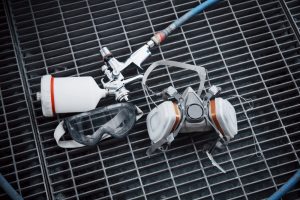
Isocyanate Health Monitoring: What’s Involved and How Often
What isocyanate health monitoring involves, who needs it and how often it is recommended for spray painters, panel beaters, powder coaters and other exposed workers.
Isocyanate Exposure: Symptoms, Health Effects and Prevention
Isocyanates in two-pack paints, foams, adhesives and plastics are a leading cause of occupational asthma. Learn the symptoms of isocyanate exposure, possible long-term effects and how employers can reduce the risk.

Health Risks of Silica Exposure in the Workplace
Crystalline silica is a naturally occurring mineral found in materials such as stone, concrete, bricks and engineered products. While it is widely used across construction, mining and manufacturing, exposure to respirable crystalline silica dust can present serious health risks for workers if not properly controlled. Understanding how silica exposure occurs,

Understanding the Health Risks of Asbestos Exposure
The health risks of asbestos exposure remain an important workplace issue in Australia, particularly for workers involved in asbestos-related work or in environments where asbestos-containing materials may be present. Although asbestos was widely used for its durability and heat resistance, exposure to asbestos fibres can lead to serious long-term health

Health monitoring requirements for workers exposed to hazardous chemicals, lead risk work, Silica or asbestos-related work.
Legal and ethical obligations of a PCBU: The PCBU should assess significant risks and decide whether a health monitoring program is necessary, particularly for hazardous substances with severe known health effects. Legal and ethical obligations of a PCBU to assess risks associated with hazardous substances: The main focus is on